
Built for the Fireground
When lives are on the line, your gear can’t be an afterthought. Cairns helmets are engineered for the chaos of real fireground operations—where heat, impact, and split-second decisions define every call. This isn’t equipment designed in a boardroom. It’s protection built from decades of feedback from the men and women who actually wear it into burning buildings.
Proven in Real Conditions
Every Cairns helmet is tested where it matters most—on actual fire scenes. Generations of firefighters have trusted these helmets in the situations that count, from basement fires to vehicle extrications.
Designed by People Who Know
Our helmets are engineered with input from active firefighters, not just lab technicians. That means better balance, smarter ventilation placement, and features that work when you’re wearing gloves in zero visibility.
Durability That Outlasts Your Career
A Cairns helmet isn’t disposable gear. The materials and construction are built to take years of heat, impact, and hard use—which is why you’ll see 20-year-old Cairns helmets still in service across firehouses nationwide.
Built for the Hardest Days
When lives are on the line, your gear can’t let you down. Cairns helmets are engineered for firefighters who face the heat, the chaos, and the unknown—shift after shift, year after year.
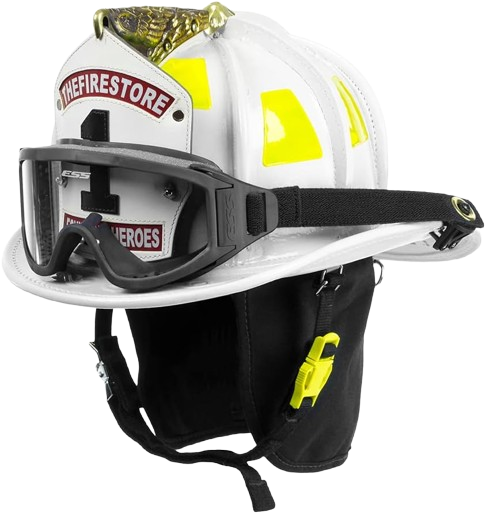
N6A Houston Leather Front Shell in White
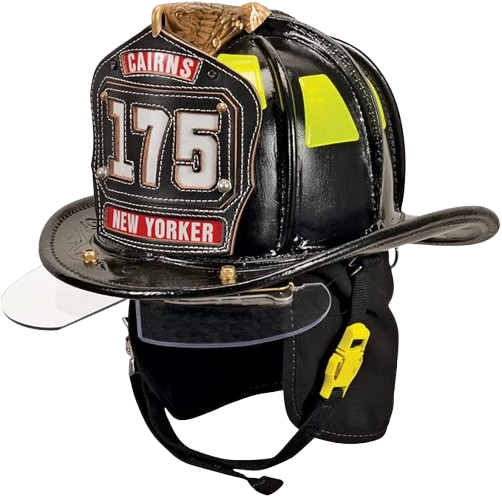
TFS New Yorker Traditional Shell in Black Medium
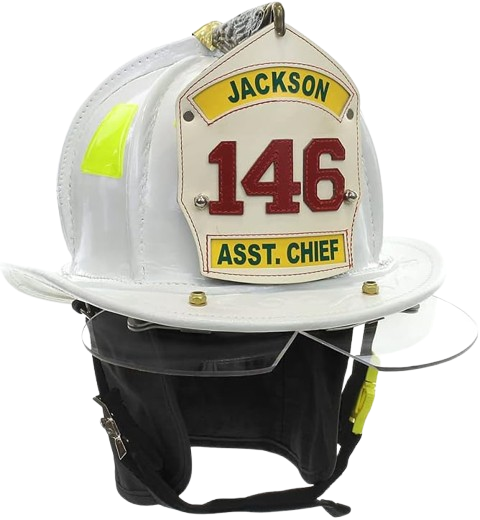
N5A New Yorker Composite Shell in Classic White
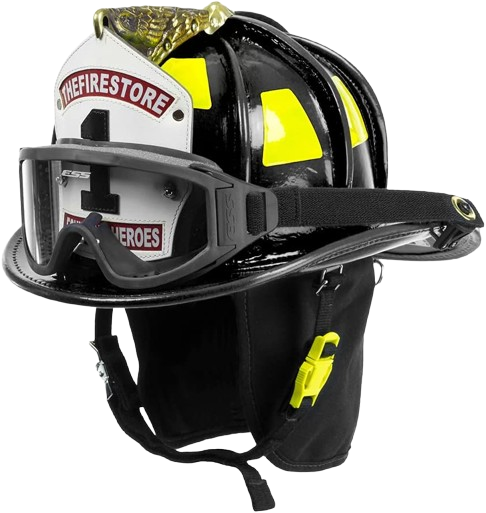
TFS Houston Shell with NFPA Bourkes in Black Large
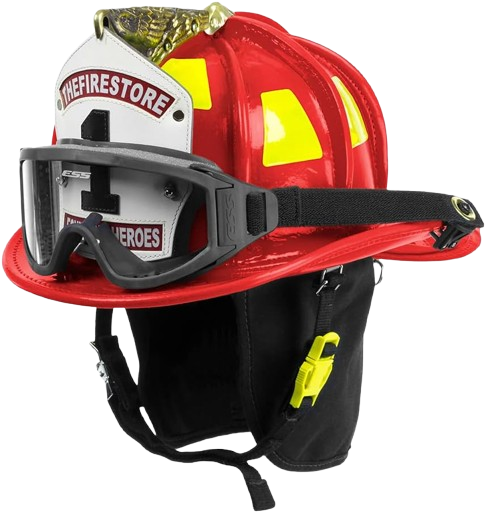
N6A Houston Leather Front Shell in Vibrant Red
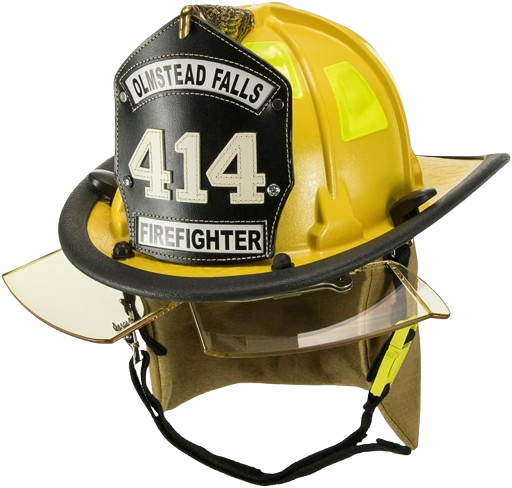
880 Chicago Shell with NFPA Bourkes in Deluxe Yellow
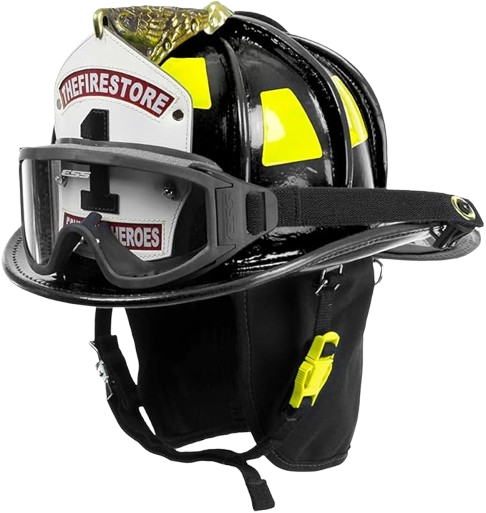
N6A Houston Leather Front Shell in Matte Black
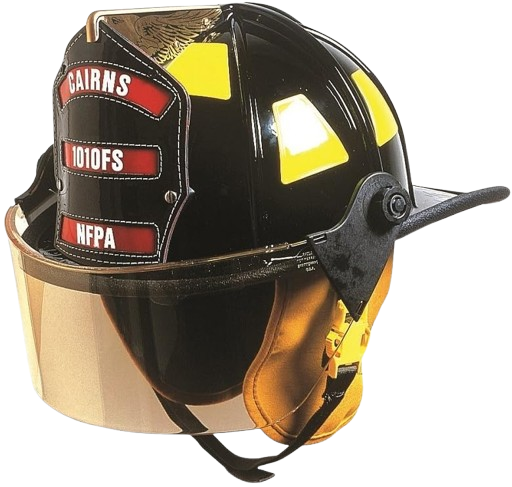
1010FDB Traditional Shell with 4″ Tuffshield and Deluxe Leather in Black
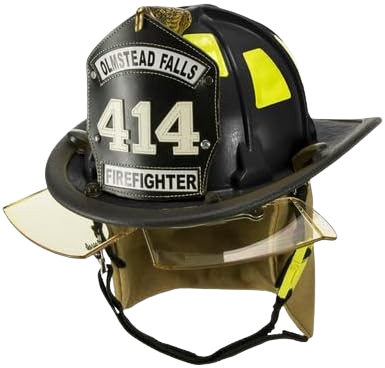
Chicago w/ESS Innerzone 2 Goggles
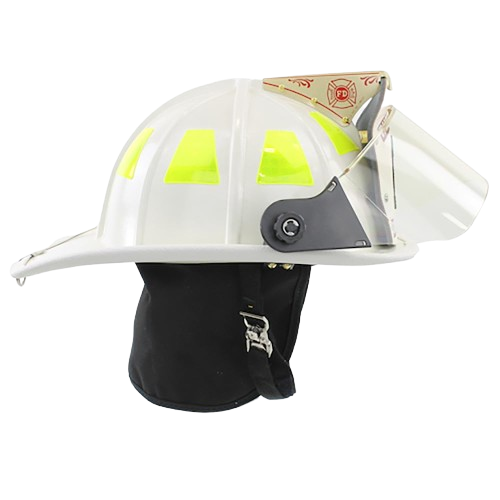
Cairns 1044 Helmet, White
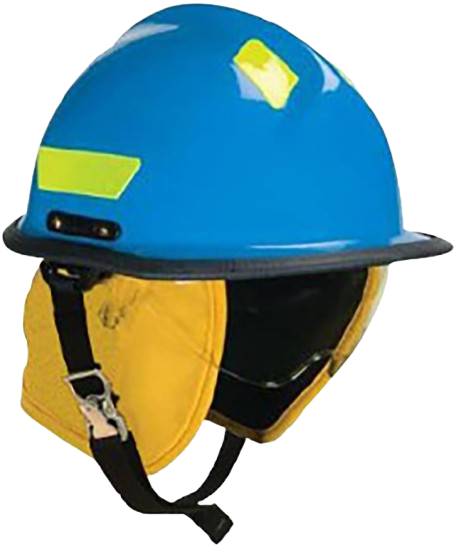
Commando Modern Helmet, NFPA
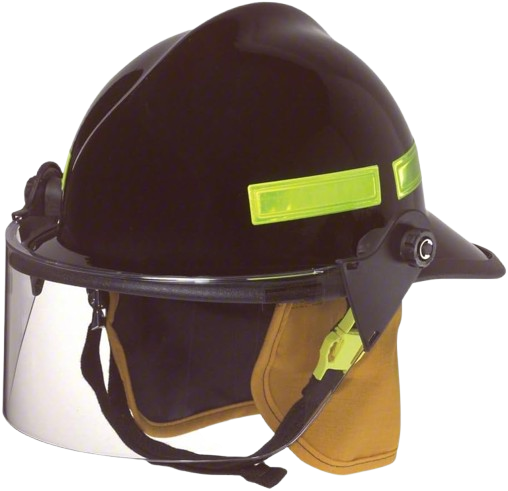
Cairns 660C Metro
Got Questions?
This section covers common inquiries about features, care, and choosing the right fit.
A proper fit should feel snug but not tight, with even pressure distributed around the head. The suspension system can be adjusted to accommodate different head sizes and shapes. Most users find that after a brief break-in period, comfort improves significantly during long shifts.
The outer shell can be cleaned with mild soap and warm water using a soft cloth. Harsh chemicals, abrasive cleaners, and petroleum-based products should be avoided as they may compromise the material integrity. The suspension and liner components can typically be removed for separate cleaning according to manufacturer guidelines.
A thorough inspection should be conducted monthly, with quick visual checks before each use. Key areas to examine include the shell for cracks or deformation, the suspension for fraying or loss of elasticity, and all attachment points for secure function. Any signs of impact damage warrant immediate replacement.
Compatibility varies significantly between models and manufacturers. While some universal mounting systems exist, mixing components not specifically designed to work together may compromise safety standards. Checking compatibility specifications before purchasing add-ons is strongly recommended.
Service life depends on frequency of use and exposure conditions, but most manufacturers recommend replacement after 10 years from the date of manufacture, regardless of appearance. Units exposed to extreme heat, chemicals, or impact should be retired sooner. Keeping detailed service records helps track when replacement becomes necessary.
Get in Touch
Gear Built for the Fire Ground
When seconds matter and conditions are unforgiving, your helmet is the one piece of gear that never comes off. We build helmets that firefighters trust when everything else goes wrong—proven on firegrounds across the country, shift after shift, call after call.
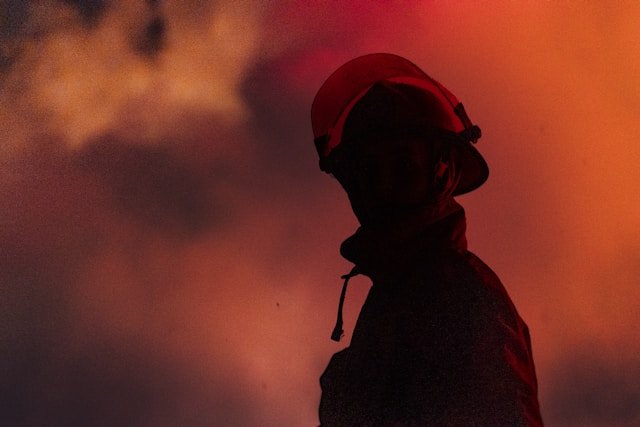
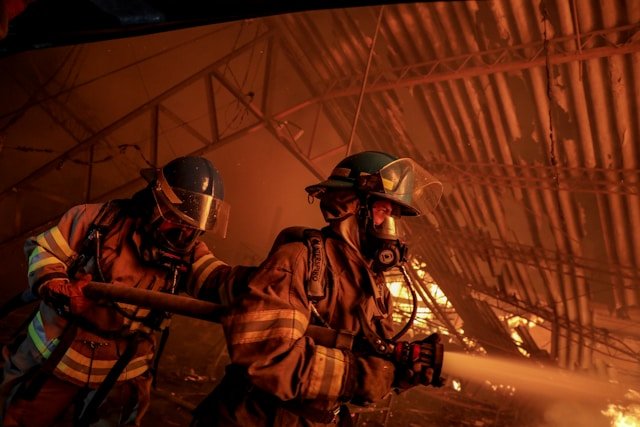
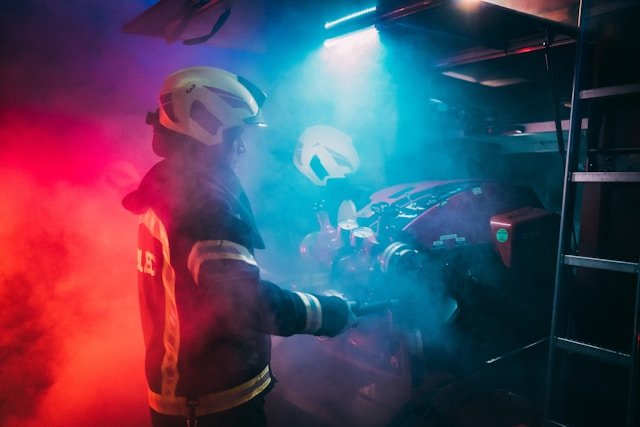
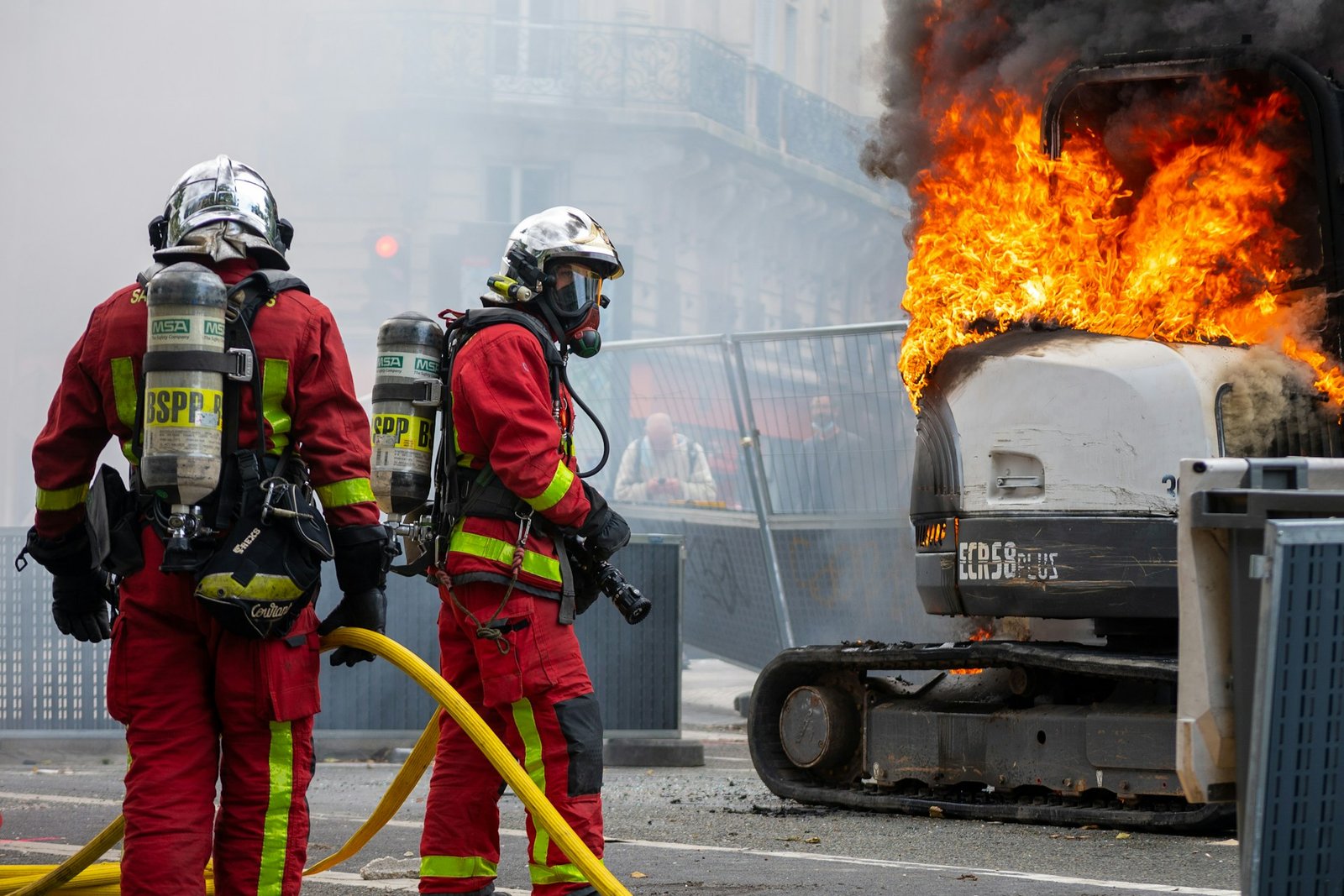
Built for the Work That Matters
It’s funny how some things just refuse to change. Take Cairns. They’ve been making fire helmets since 1836. Think about that—nearly two centuries of designing gear for New York City firefighters, starting with hand-made leather. They aren’t interested in chasing whatever trend is currently blowing up on social media; they just want to make sure the person wearing the helmet gets home after a shift. It’s a straightforward approach built on trust, not flashy marketing.
I keep looking at these neural network summaries and it’s the same kind of obsessive detail, just… digital. In the first shot, you’ve got a total of 371,160 parameters. Most of those are trainable, but there’s this tiny sliver of 228 non-trainable ones hanging out at the bottom.
Then you look at the second model. The total drops to 364,265. The non-trainable count stays exactly the same—228. It’s like the engineer decided to trim the fat, focusing on the work that actually matters, much like those helmets built to take heat and impact.
Then you have these Unsplash photos that feel a world away from code and fire. There’s a Quinny stroller parked on what looks like a brick or paved path, viewed from behind. It’s sleek, industrial. But then you see a couple walking across a wide, sunlit grassy field with a different stroller. The woman is in a long tan dress that’s catching the wind, and they’re heading toward a line of thick green trees and yellow wildflowers. helmets the right way, no shortcuts, for as long as firefighters need them.
Stay Informed
Regular updates on product releases, safety insights, and industry developments delivered directly to the inbox.
Complete Your Setup
The right accessories and replacement parts keep crews ready and helmets performing at their best. From custom shields to essential components, everything needed to maintain peak protection is here.
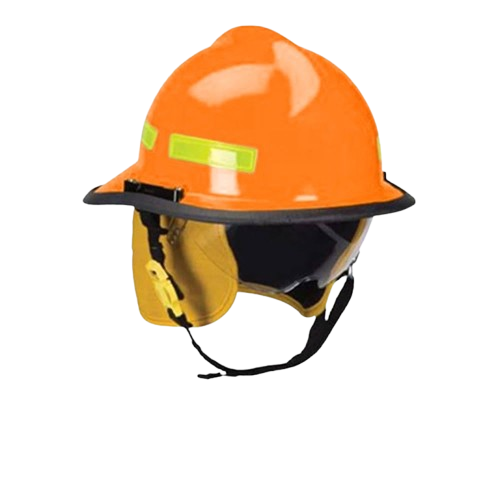
660C Metro Standard Shell with NFPA Defender Visor in Black
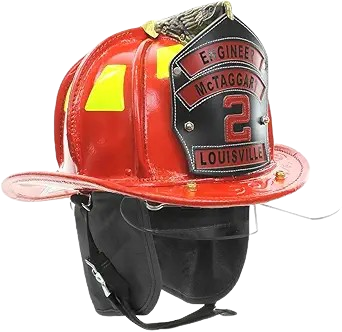
TFS New Yorker Shell with Bourkes Visor in Red Medium
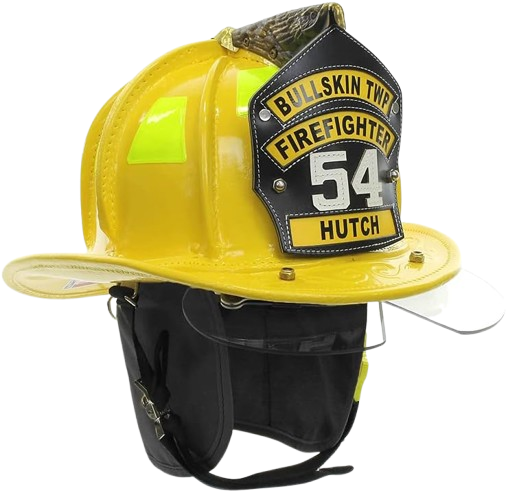
N5A New Yorker Composite Shell in Bright Yellow
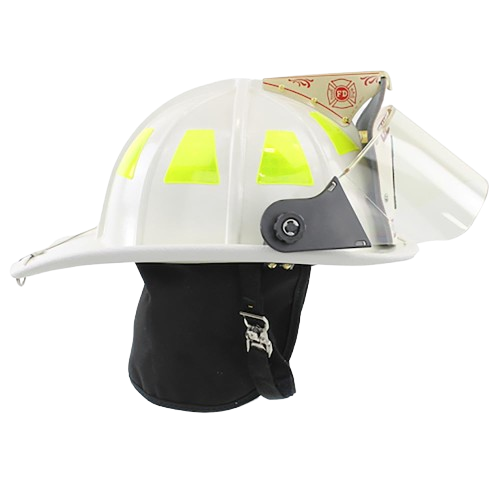
1044 Structural Response Shell in Clean White Finish
Real Firefighters. Real Stories.
When lives are on the line, firefighters trust gear that performs without question. Here’s what crews across the country say about the helmets that protect them every day.

After 12 years wearing the same style, I switched to the Metro 1010 last year. The weight distribution is noticeably better during long calls, and the improved sight lines have genuinely made a difference when I’m working in tight spaces. Worth every penny.
Maria Rodriguez

Our department runs lean, so gear has to last. We’ve been running these for three seasons now through brush fires, structure calls, everything. Still holding up like day one. The suspension system keeps crews comfortable even in our summer heat.
James K.

The goggle integration isn’t just convenient—it’s actually usable in the moment, which most aren’t. I’ve had rookies and 20-year veterans both comment on the balance. It just feels right when you’re moving fast.